TL;DR
A new data center in Utah, which will be twice the size of Manhattan, has been approved and will consume more electricity than the entire state. This project raises serious concerns about sustainability and resource usage.
A Colossus in the Desert
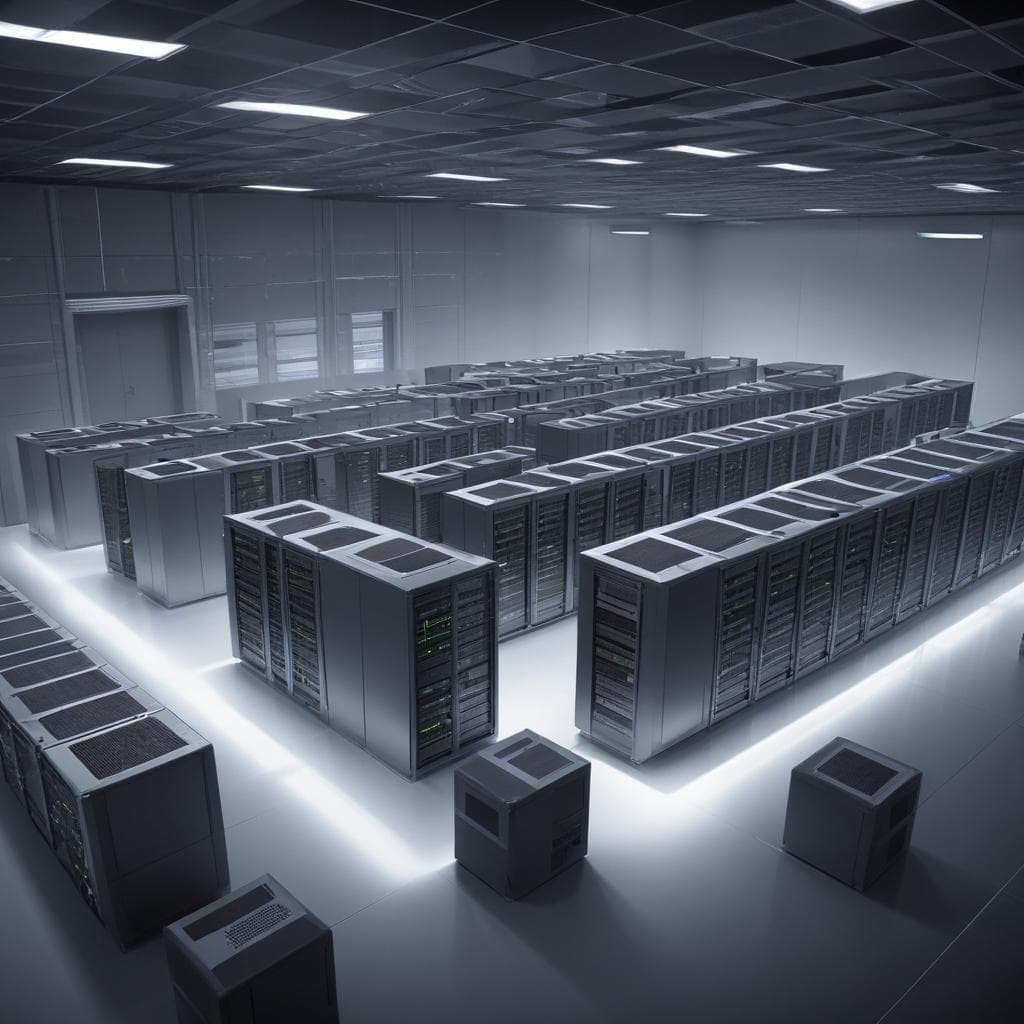
Utah has become the focus of attention with the recent approval of a monumental data center that occupies an area twice the size of Manhattan. This facility is projected to consume around 9GW of energy, a figure that overshadows the total electricity consumption of Utah itself. This type of project is not just an expansion of technological infrastructure but also a critical point in the debate over energy consumption associated with rapidly expanding digitalization.
Energy Consumption Challenges
The scale of energy consumption of this data center raises serious questions about sustainability in a world battling climate change. As digital services and data storage demands continue to grow, sufficient energy is required to power them. Despite advances in renewable energy and more efficient technology, the need for power in large facilities like this could lead to a greater dependence on fossil fuels, especially if the local infrastructure cannot support the additional load.
#### Implications for the Energy Sector
The construction of such a large facility in Utah also reflects the overwhelming interest of major tech corporations in expanding operations in regions where regulation is more lenient and taxes are lower. However, this could pose a sharp challenge for local energy companies and the state’s sustainability policies. 9GW is an amount of energy that would need to be provided without jeopardizing supply to other communities and critical sectors.
Community Impact
Residents of Utah must consider how this structural change will affect their quality of life. An increase in energy demand could translate to higher electricity rates or even service interruptions, depending on how this consumption surge is managed. Additionally, the phenomenon of data centers in rural areas could destabilize local economies that depend on agriculture and other less energy-intensive industries.
Innovation Opportunities
Not everything is pessimistic; this development could also catalyze innovations in how we produce and consume energy. Investors and companies might see an opportunity in developing renewable energy systems, improving the energy efficiency of these massive centers. This could pave the way for other locations to understand that, to promote long-term growth, it is crucial to combine technological advancement with sustainable and responsible practices.
Final Thoughts
As disruptive technologies are deployed and considerable infrastructure is required to support them, we must intensify the dialogue on how to balance innovation with environmental sustainability. What happens in Utah could be a microcosm of the broader race toward a digital future; a warning that technological ambition, if not channeled properly, could lead us to an ecological precipice.
What to Expect in the Future?
This situation invites us to pay attention to how the rest of the country, and the world, will respond to these challenges. Looking ahead, robust regulation is needed to ensure that tech companies take responsibility for their environmental impacts. The story of this data center in Utah will be a clear indicator of the direction in which energy policy and technology are heading in the next decade.