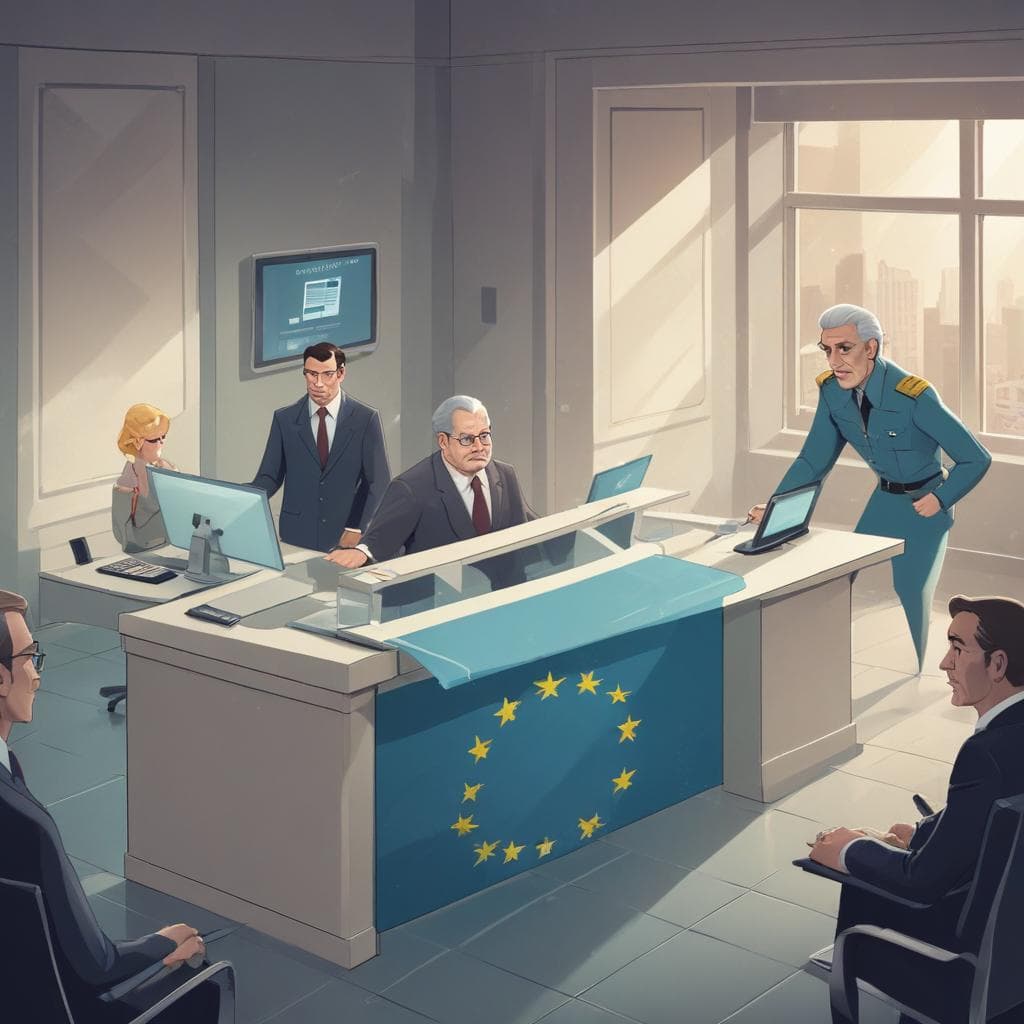
Mistral Proposes a Cybersecurity Solution for European Banks
In a context where cyber threats are more frequent and sophisticated, Mistral has decided to step forward to help European banks reinforce their security. The company is in talks to develop an artificial intelligence-based tool that allows them to identify vulnerabilities quickly and at scale—something that European banks have sought but have been unable to implement due to their lack of access to advanced models like Mythos, developed in the U.S.
Market Context
The growing digitalization in the banking sector has exposed European institutions to a variety of cyber risks. With many entities facing stricter regulatory pressures in the realm of cybersecurity, there is a widespread consensus that it is imperative to address existing security gaps. Mistral, which has been developing its AI model for some time, aims to provide an effective and accessible solution to help these institutions tackle such challenges.
The Advantage of AI in Cybersecurity
One of the most intriguing aspects of Mistral's proposal is the use of artificial intelligence. This approach enables the tool to process large amounts of data in a short time, identifying patterns and vulnerabilities that a manual analysis might overlook. This represents a significant difference, especially since European banks have historically been reluctant to adopt technologies that allow them to proactively anticipate and mitigate threats.
Challenges in Implementation
Despite the potential, implementing this solution will not be straightforward. There are issues of infrastructure, privacy, and legislation that must be addressed for AI tools to be effectively integrated into the daily operations of financial entities. European banks, which often operate in a complex regulatory environment, will need to analyze how this new technology fits into their existing security framework.
Competition in the Cybersecurity Space
Mistral is not the only company looking to position itself in the cybersecurity sector; competitors such as CyberArk and Palo Alto Networks are also continually evolving to offer their own solutions. However, Mistral's uniqueness may lie in its specific focus on the needs of European banks, providing them with the technical support that is increasingly necessary.
Implications for the Future of Cybersecurity in Europe
The entry of a company like Mistral into the cybersecurity space for banks could signify a significant shift in how these institutions approach their defense strategies. If Mistral's tool proves effective, it could pave the way for a new era in banking cybersecurity in Europe, where banks are better equipped to protect themselves against growing cyber threats.
Conclusion: What to Watch for in the Future?
As the discussions between Mistral and financial institutions progress, it will be crucial to observe how tests of the tool develop and how the market responds to its potential. The reactions of banks, the outcomes of security tests, and the collaboration with regulatory entities will be determining factors in assessing the success of this initiative and its impact on the cybersecurity landscape in Europe.
The ongoing evolution of artificial intelligence technologies and their integration into the financial sector could facilitate more robust regulatory frameworks and push us toward a safer banking environment. In the meantime, the sector must remain vigilant and proactive in the search for solutions that protect its integrity and the trust of its customers.