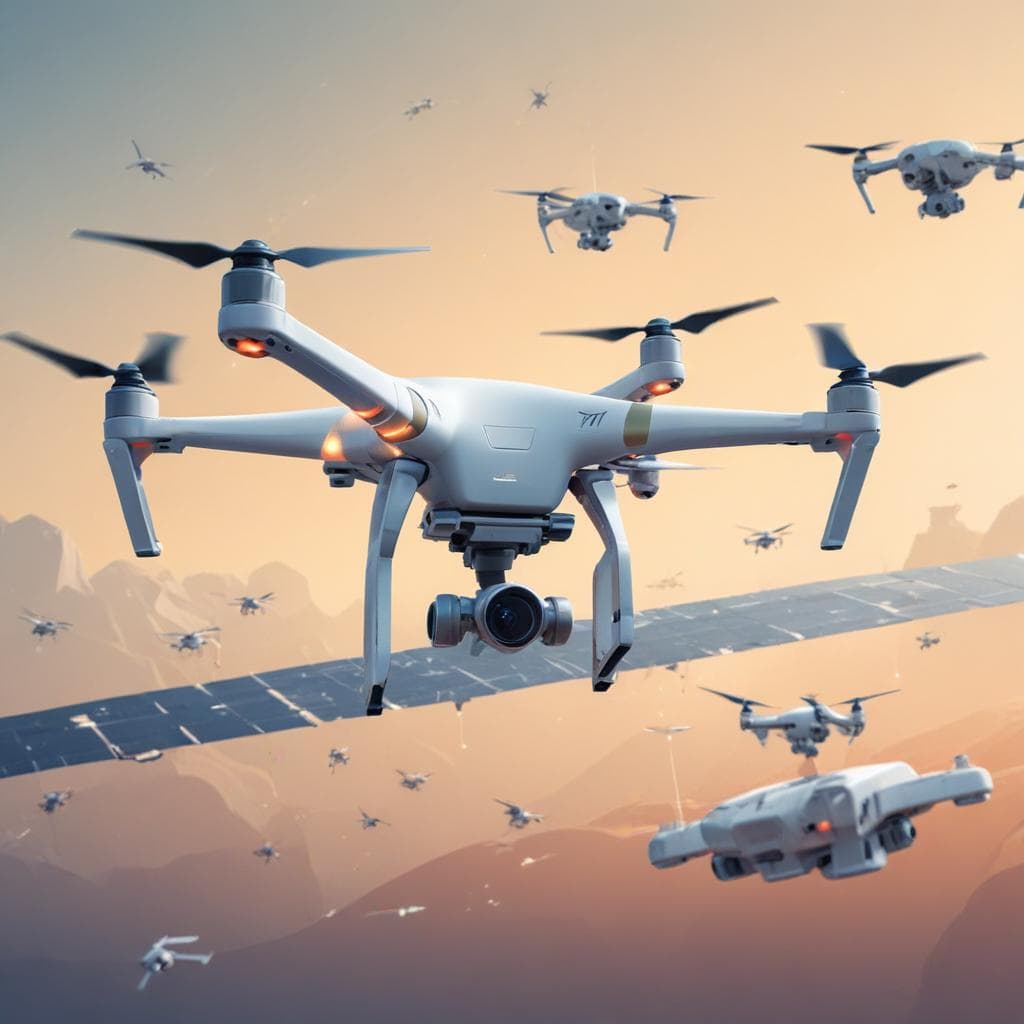
The Future of Drones and Repairability in the AI Era
The evolution of artificial intelligence (AI) and its impact on various industries is undeniable. However, there are subtler and critical aspects that demand our attention, such as sustainability in drone usage and repairability in the electric vehicle (EV) sector. Today, we will delve into two relevant cases: the renaissance of drones in Ukraine and the growing concern about repairability in EV battery production.
The Resurrection of Drones in Ukraine
Current Context
In the contemporary battlefield, drones have become an indispensable tool for various military operations. However, the conflict in Ukraine has revealed the inherent vulnerabilities of these devices. Over 24,000 delivered drones have become inoperable due to electronic warfare tactics, prompting a group of artisans to undertake the monumental task of repairing them. This paints a fascinating picture of the lifespan of UAVs (unmanned aerial vehicles) and how they can be rescued from obsolescence so quickly.
Technical Implications
Repairing damaged drones highlights the necessity to create more robust and modular platforms. Implementing AI in this context can optimize the fault diagnosis process and predict maintenance needs before they become critical issues. For instance, an AI system could analyze usage patterns and wear on drones to recommend proactive repairs. This synergy between repairability and AI could not only improve operational efficiency but also extend the lifespan of thousands of costly assets.
Experts Weigh In
Leaders in technology and defense suggest that this repair-focused approach could serve as a model for the future of UAVs. The ability to maintain technology in operational condition in a hostile environment could change the game in future conflicts. AI could play a crucial role in enabling autonomous drones to adapt and maintain their functionality, even under pressure.
Repairability in the Electric Vehicle Sector
Current Challenges
The electric vehicle industry is in the midst of a revolution. However, a critical issue has begun to emerge: repairability. Experts warn that the lack of designs allowing for easy battery repairs could negatively impact the resale values of EVs. In a context where battery efficiencies are focused on range, the challenge is amplified.
A Call to Action
It is imperative that car manufacturers integrate repairability into the design phase. This would not only increase sustainability but also foster consumer trust and, in the long run, benefit economic margins. AI technologies could support this approach, enabling advanced diagnostics and failure forecasting for batteries, which would facilitate repairs more effectively.
Comparison with Other Industries
When comparing the repairability in the automotive sector with that of other technological industries, like drones, it becomes clear that an AI-centered strategy could set similar standards. EV manufacturers should learn from the experiences of artisans in Ukraine; the capability to repair rather than replace could offer a pathway to sustainability.
Conclusions and What Lies Ahead
Both the rehabilitation of drones in Ukraine and the call to improve repairability in the electric vehicle industry are revealing examples of how AI can be part of critical solutions. In a world where resources are finite and pressure to implement sustainable practices is ever-increasing, the integration of AI technologies to enhance repairability may hold the key to future success.
Looking Ahead
Long-Term Implications: With increasing regulatory pressure and consumer demand for sustainable technologies, industries that adopt AI to facilitate repair and maintenance will not only thrive in terms of economic value but will also help define a new standard of sustainability.
Many experts suggest that the next generation of technologies must be designed from the ground up with repairability in mind, leveraging AI capabilities to maximize asset performance over time. This will be a critical topic to follow in the near future.