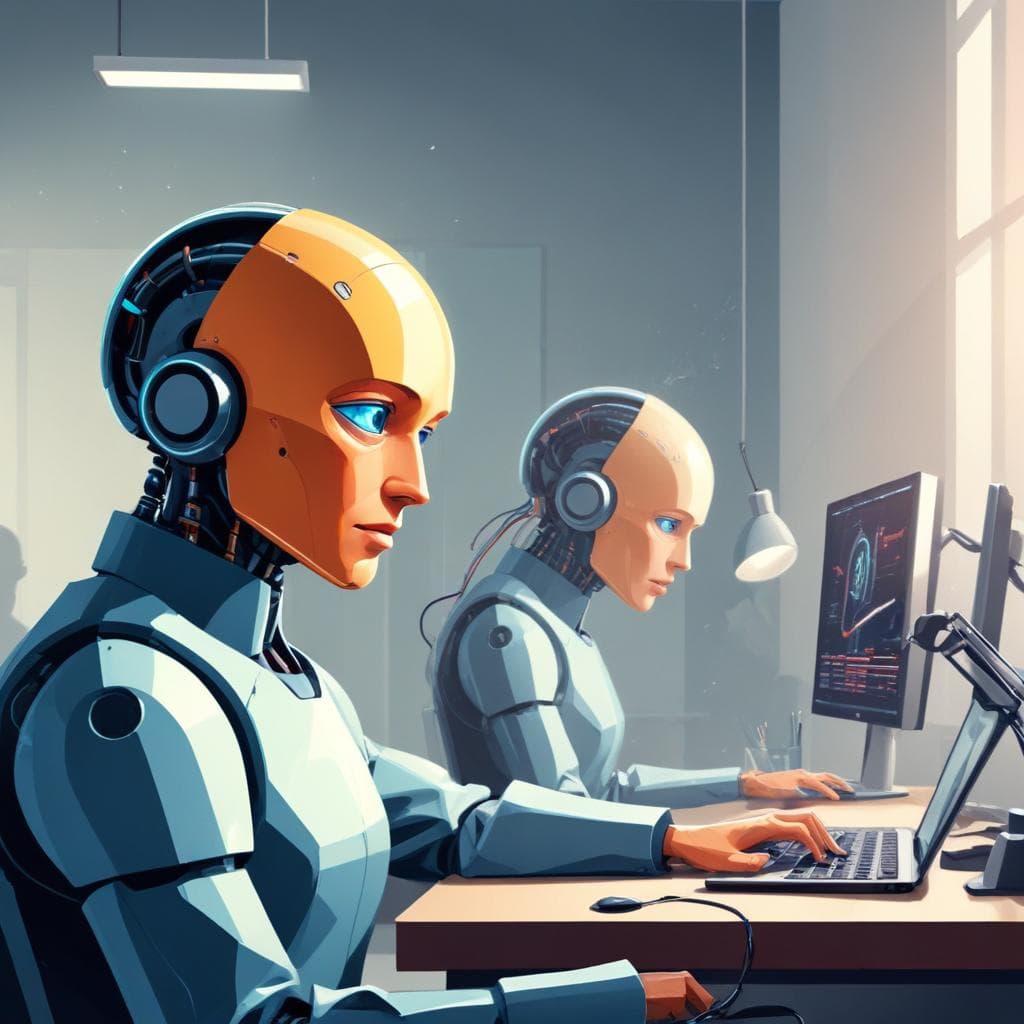
The Impact of Artificial Intelligence on the Future of Work
Artificial intelligence (AI) is not only changing the technological landscape but is also significantly influencing labor dynamics. Recently, LinkedIn announced a layoff of 5% of its workforce in an effort to reorganize teams and focus on growth areas. This move, along with increasing funding for AI projects in sectors like defense, raises important questions about the future of employment and business structure in the AI era.
Restructuring at LinkedIn: A Sign of the Times?
The layoffs at LinkedIn underscore a growing trend where tech companies are compelled to adapt their organizational structures in response to a dynamic landscape. Although the company's management asserts that the changes are not directly attributable to AI, it is undeniable that the pressure to innovate is fueling these strategic decisions. CEO Daniel Shapero emphasizes the need for a more significant impact for users, suggesting a long-term vision for the business that prioritizes current market demands.
Implications of Automation
With AI at the forefront of digital transformation, companies need to reassess their talent and skills strategies. The automation and efficiency driven by AI are changing not only the way tasks are performed but also the types of skills that the future workforce will require. Reflecting on the panel discussed at MIT, where the relationship between AI and employment was explored, it was concluded that preparing the workforce for a future where automation is common is imperative.
Anduril: The Paradigm of the Defense Sector
The recent capital injection into Anduril Technologies, aimed at developing AI-enabled autonomous warfare systems and infrastructure, highlights the growing interest from investors in the military applications of technology. With a valuation of $61 billion, Anduril is not only at the peak of business growth but also raises ethical and social questions regarding the use of AI in warfare.
The Convergence of Technology and Defense
The fusion of AI and defense represents an expanding market that attracts significant investment. As more sophisticated autonomous systems are developed, the challenge will be to balance technological innovation with ethical and public safety considerations. The pressure to innovate is so prevalent that current regulations and policies are still seeking their place in this new ecosystem.
Education and AI: A Collaborative Future
In Israel, the announcement of a national summer program that introduces AI into education from primary to secondary schools is an example of how countries are addressing the need to integrate AI into their education systems. This initiative will not only prepare new generations for a technology-dominated future but also raises the question of how these skills should be woven into a broader curriculum.
Preparing the Next Generation
In a context where AI will be foundational, it is crucial that students not only learn about technology but also are taught critical and creative skills. This holistic approach will benefit young people, equipping them not only to enter the job market but also to be innovators in a changing world.
Conclusions: What Lies Ahead
The future of employment and technology is both uncertain and exciting. Layoffs at companies like LinkedIn and growth in sectors like defense suggest that we are on the verge of an AI-driven revolution. Organizations must be willing to reorganize, workers to adapt, and education systems to evolve in order to remain relevant. As we move into this new era, closely monitoring the implications of AI across all sectors and adjusting our strategies accordingly will be essential. How will companies adapt, and what skills will become critical in this new work environment? Only time will tell.