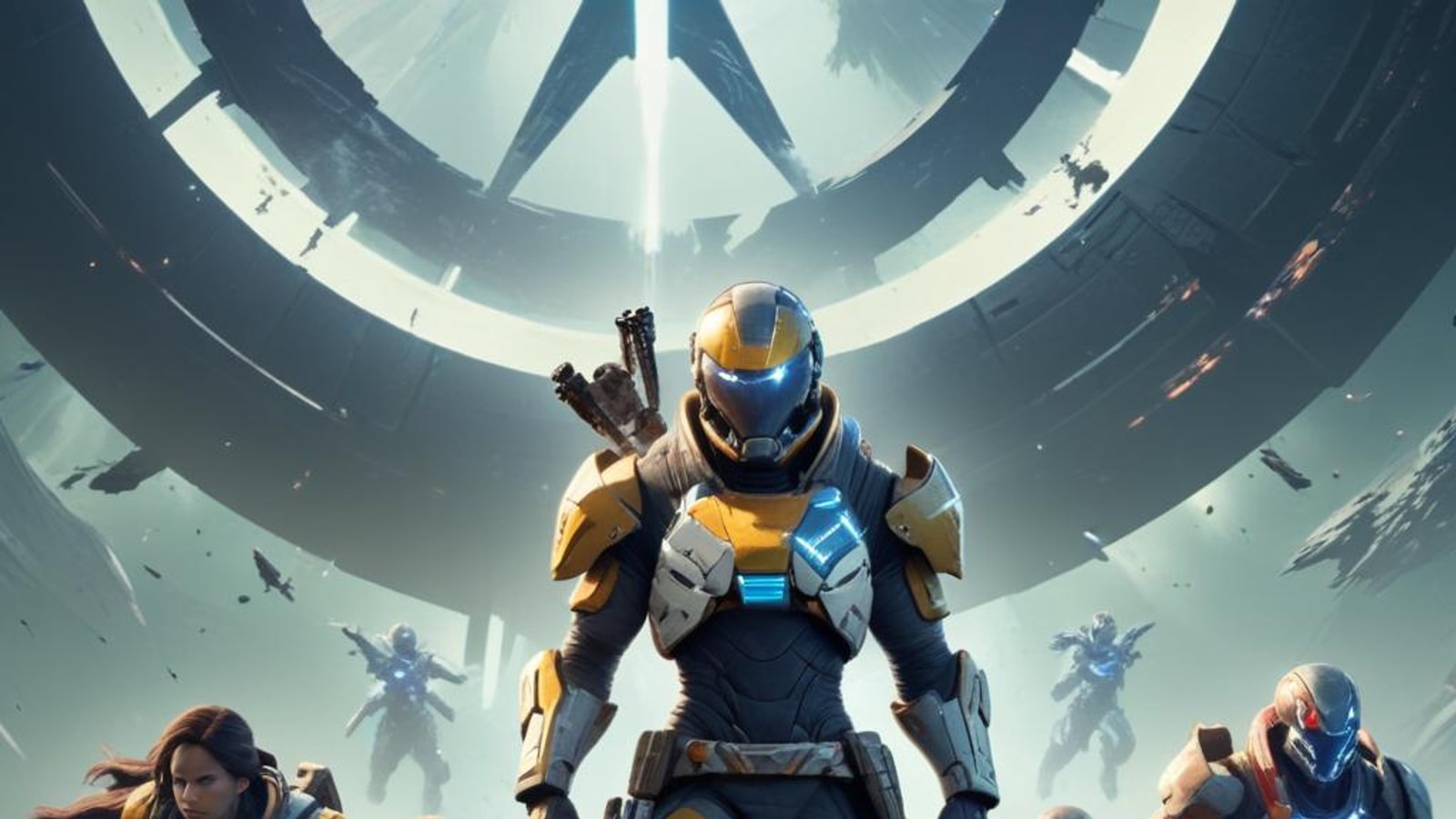
Can Marathon Save Itself from Failure with a Free Trial?
The video game industry is relentless. Today, a title can dominate conversations, and by the next day, it can be forgotten. This is the recent case of Bungie, which, following the closure of Destiny 2, faces the challenging task of reviving its new project: Marathon. With the implementation of a free trial period, the company aims to attract new players, but will it be enough to reverse the decline in its user count?
Bungie's Strategy
Bungie has decided to implement a free trial period as part of the second season of Marathon. This strategy is not only a response to the dwindling player base but also an attempt to regain trust in a brand that was once synonymous with innovation in the first-person shooter world. The current situation of Marathon highlights a paradigm shift in the industry: attracting and retaining players has become more crucial than ever.
Why the Free-to-Play Model?
The free-to-play model has proven effective, not only for attracting new players but also for monetizing those willing to spend. Games like Fortnite and Apex Legends have capitalized on this model, generating significant revenue from cosmetics and additional content. However, transitioning from a traditional game to a free one can be a double-edged sword. Bungie's critics expect not only an accessible game but also one that offers engaging content and innovative mechanics.
The Legacy of Destiny 2
The demise of Destiny 2 represents more than just the end of a game: it symbolizes an era of massive online gaming that, for various reasons, failed to sustain itself. Bungie's developers have had to reflect not only on what went wrong but also on what elements made Destiny 2 so popular at its peak. Nostalgia and the legacy of Destiny 2 are present, but the question remains: can Marathon fill that void? The challenge for Bungie is not only to revive players from their previous games but also to capture a new audience seeking fresh and exciting experiences.
The Appeal of the Trial
A free trial period can be seen as a lifeline for Marathon, but it also raises questions. What happens if new players do not find the game appealing enough? The pressure is on Bungie not only to capture the attention of new players but also to maintain their interest and convert them into long-term players. The design of the content during this critical period will be fundamental. Additionally, they must contend with the perception that a free game may be a lower-quality product.
The Importance of Community
One factor that is often overlooked in these types of transitions is the community. Bungie has a loyal fan base, but it has also faced criticism in the past. A community-focused approach, including feedback and adaptations based on player opinions, could be the key to success. Fostering open dialogue and building an ecosystem where players feel heard is essential for cementing brand loyalty and, ultimately, loyalty to the game.
Implications for the Future
Bungie's move to offer a free trial could be a crucial step toward revitalizing Marathon. However, the challenges are significant. The industry is constantly evolving, and players are becoming increasingly demanding. Bungie's ability to adapt to these changes will determine not only the future of Marathon but also its long-term reputation as a developer.
What to Watch on the Horizon?
As this strategy unfolds, it will be interesting to observe how player responses reflect and whether the trial period meets their expectations. The integration of new content, events, and the incorporation of feedback will be decisive factors. The pressure is on Bungie to demonstrate that even after a setback, innovation and adaptation can open new opportunities in the competitive world of video games.